Rent or Buy a Fuel Station

Companies that rely on on-site fuel face a crucial decision: rent or buy a fuel station? This choice affects operational efficiency, financial planning, long-term investment strategy, and compliance with European Union fuel and environmental regulations. Selecting the right solution requires a clear understanding of cost, flexibility, safety, and control. Fuel management is not only about storage. It also involves diesel storage, handling HVO, biodiesel, petrol, and other fuels, along with proper monitoring and documentation to satisfy EU standards for workplace fuel storage. Businesses need a solution that matches their usage patterns, project duration, and long-term operational goals. In this guide, we examine the advantages and disadvantages of whether to rent or buy a fuel station and when each option makes the most sense.

Investing in Fuel Infrastructure: Rent or Buy a Fuel Station?

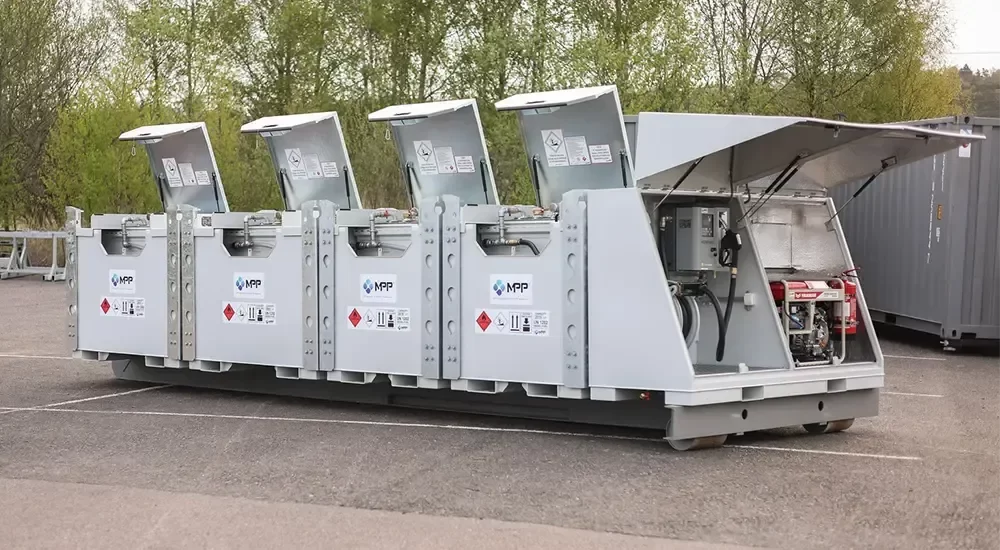
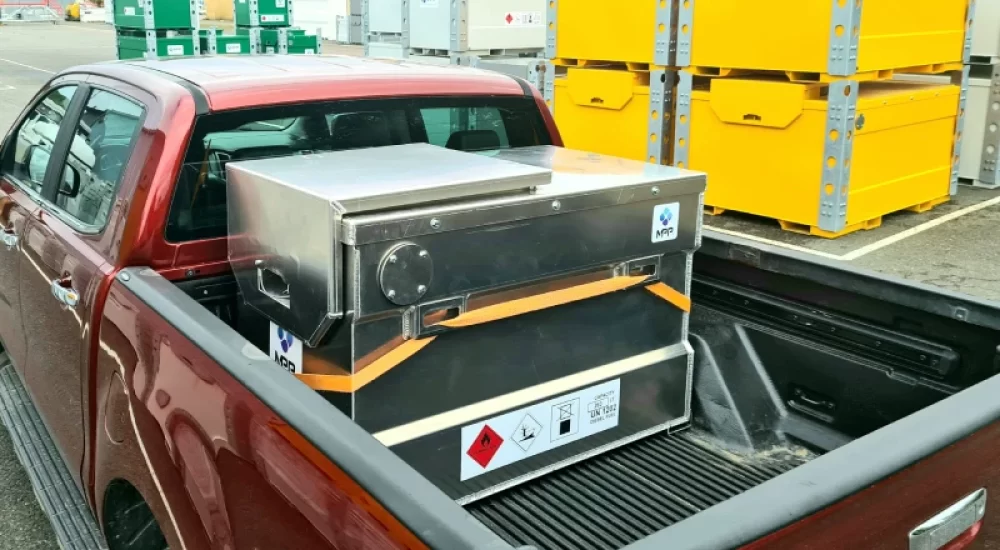
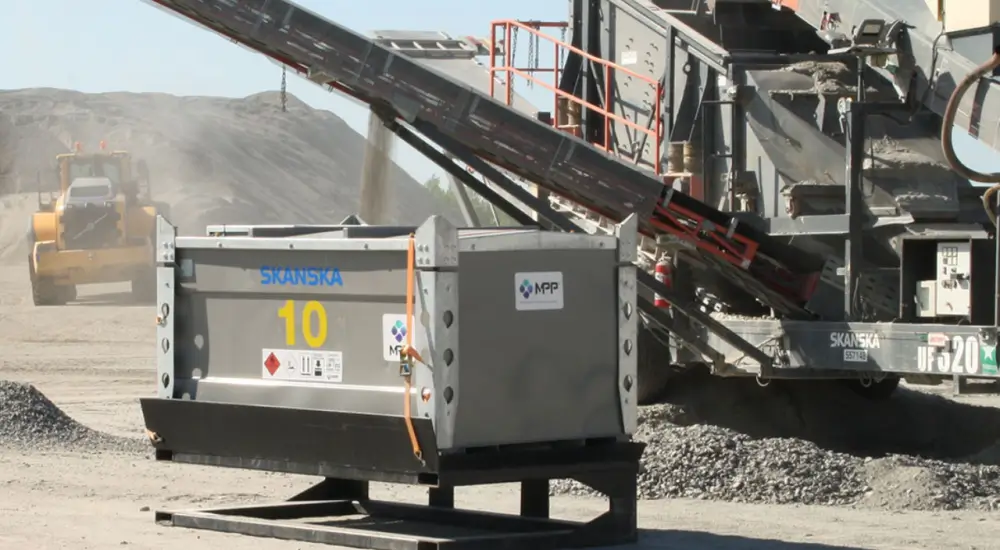
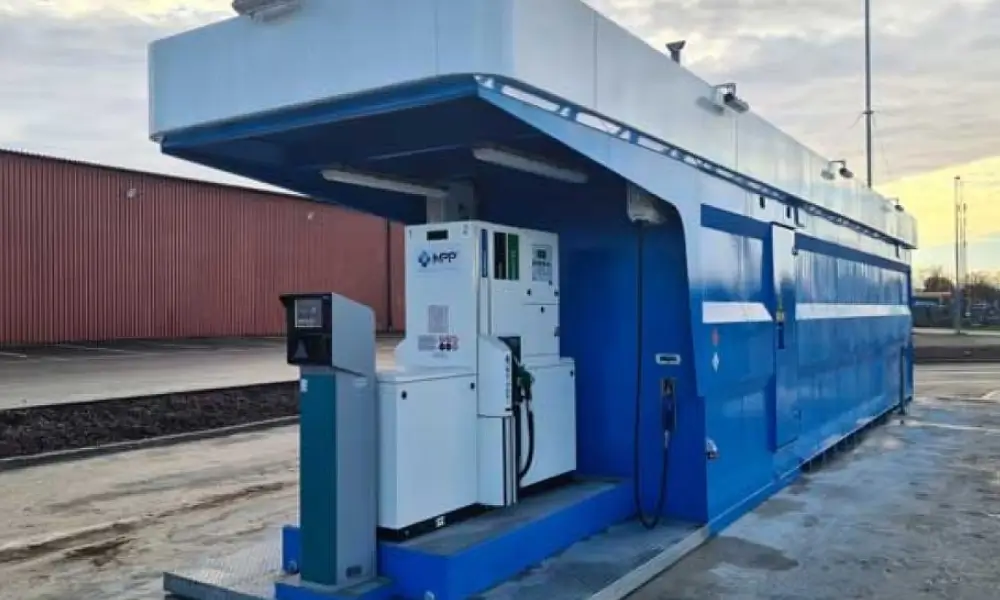
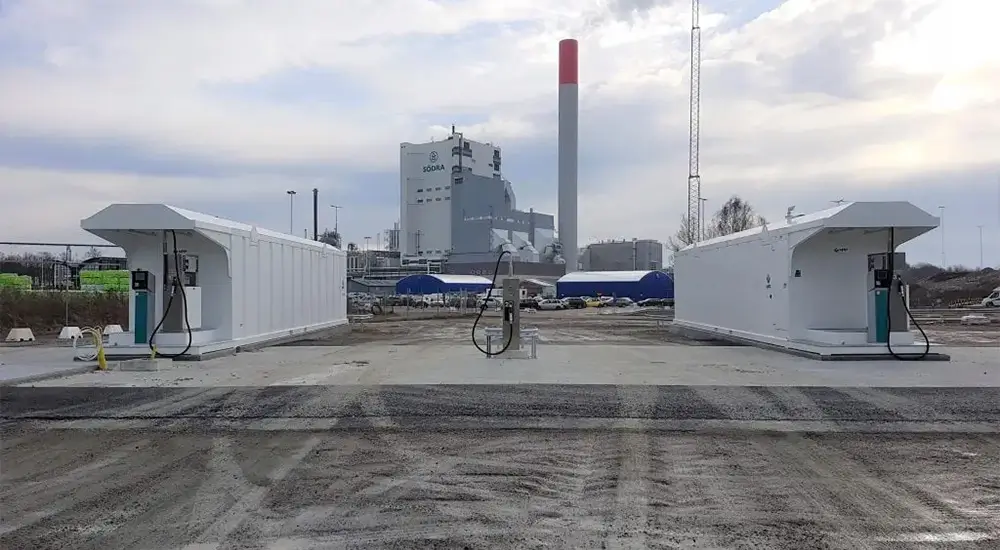
When a company evaluates a fuel infrastructure investment, the upfront price is only one factor. Choosing to buy a fuel station requires a higher initial investment but provides long-term control, stable fuel access, and structured compliance with EU fuel storage directives. Companies can implement bunded containment, leak detection systems, monitoring equipment, and fire safety solutions tailored to regulatory requirements. On the other hand, choosing to rent a fuel station solution, typically in the form of mobile or transportable fuel tanks, offers flexibility. MPP provides rental options for mobile fuel tanks, transportable tanks, and pickup tanks that help businesses meet temporary fuel demands efficiently and in compliance with EU safety regulations. Frequency of fuel usage is critical. Businesses that consume diesel daily for machinery, construction sites, agriculture, or logistics fleets often benefit from ownership. Companies with seasonal, occasional, or project-based demand may find renting more economical and operationally practical. For complete fuel station solutions, visit Fuel Stations. For rental options, contact us regarding mobile fuel tanks.

Advantages of Buying a Fuel Station

Long-Term Control and Availability

Owning a fuel station ensures consistent fuel access, reducing downtime and eliminating reliance on external deliveries during critical operations.

Cost Savings Over Time

Although the initial investment is significant, ownership can reduce long-term costs compared to recurring rental payments. Buying a fuel station also enables bulk purchasing, which can lower per-liter fuel expenses.

Safety and Customization

Businesses can configure their station with multiple compartments for Diesel, HVO, Gasoline, or Petrol, integrate fire suppression systems, install automated monitoring, and ensure compliance with EU fuel storage regulations.

Monitoring and Documentation

Ownership allows detailed tracking of fuel consumption, refill schedules, and regulatory reporting. This supports adherence to EU environmental and workplace safety requirements. Example: An agricultural operation that owns its fuel station can purchase diesel in large volumes, reduce transport expenses, and maintain greater operational independence. For more insights, see Benefits of Owning a Fuel Station.

Advantages of Renting Mobile Fuel Tanks

Lower Initial Investment

Renting requires no major capital expenditure, preserving liquidity for other business priorities.

Flexibility and Mobility

Mobile tanks can be placed where fuel is needed and relocated between project sites. This is particularly useful for construction projects, infrastructure works, events, or seasonal operations.

Maintenance and Compliance Included

Rental providers typically manage inspections, maintenance, spill prevention systems, and EU regulatory compliance, reducing administrative burden.

Quick Deployment

Rental tanks can often be installed and operational within hours, making them suitable for urgent or short-notice projects. Mobile tank solutions typically range from 250 liters up to 11,000 liters. These systems are ideal for businesses requiring temporary fuel access without committing to a long-term investment.

Economic Considerations: Rent or Buy a Fuel Station

When evaluating whether to rent or buy a fuel station, businesses should analyze total cost over time.

Cost to Buy

Includes equipment purchase, installation, safety systems, maintenance, and required permits. EU environmental and storage regulations can influence total investment costs.

Cost to Rent

Includes monthly rental fees, often with maintenance, inspections, and safety compliance included. Renting is generally more economical for short-term needs but may exceed purchase costs over an extended period.

Return on Investment (ROI)

Frequent, long-term fuel consumption typically accelerates ROI on ownership. Sporadic or seasonal use often favors renting. A thorough cost analysis should include installation expenses, fuel volume, maintenance requirements, regulatory compliance, and projected project duration.

When Should Your Business Rent or Buy a Fuel Station?

The decision depends on operational structure and long-term planning. Continuous Fuel Demand Agriculture, construction, transport, and logistics companies with daily fuel consumption often benefit from ownership. Temporary or Project-Based Needs Renting mobile tanks is ideal for short-term contracts, events, or seasonal operations. Capital Allocation Renting reduces upfront financial commitment and preserves working capital. Regulatory Responsibility Ownership requires direct management of EU fuel storage and environmental compliance. Renting shifts much of this responsibility to the provider. Some companies adopt a hybrid model: owning a primary fuel station while renting additional tanks during peak demand or expansion projects.

EU Fuel Storage and Safety Requirements

Fuel storage in the workplace must comply with EU standards. Key considerations include:
  • Bunded storage systems to prevent environmental contamination
  • Secondary containment and leak detection
  • Clear labeling and separation of fuel types
  • Fire prevention systems and emergency procedures
  • Documentation for inspections and environmental reporting
Whether a business chooses to rent or buy a fuel station, ensuring regulatory compliance is essential. Rental providers like MPP often handle these requirements for mobile tanks, simplifying short-term solutions.

FAQ – Rent or Buy a Fuel Station

When does it make sense to buy a fuel station?

When fuel use is frequent, long-term control is required, and the company can commit to an upfront investment.

How much does it cost to rent fuel tanks for a project?

Costs vary depending on tank size, duration, and technical specifications. Rental agreements typically include maintenance and safety checks.

Which businesses should rent instead of buy?

Companies with temporary, seasonal, or project-based fuel needs often benefit from renting. Construction and event operations are common examples.

Can rented mobile tanks be relocated between sites?

Yes. MPP mobile and transportable tanks are designed for efficient relocation and flexible deployment.

Are complete fuel stations available for rent?

No. Complete fuel stations are sold, while mobile and transportable tanks are available for rental.

Conclusion

The decision to rent or buy a fuel station depends on fuel consumption patterns, financial strategy, operational flexibility, and compliance capacity. Buy: long-term control, potential cost savings, full customization, and structured regulatory management. Rent: flexibility, lower upfront cost, fast deployment, and suitability for temporary or seasonal demand. Careful evaluation of long-term needs and total costs will determine the most suitable solution for your business. 

Benefits of Having a Fuel Station at the Workplace

Investing in a fuel station at the workplace has become a strategic solution for many companies in the agriculture, construction, and industrial sectors. The benefits of having a fuel station at the workplace range from efficient fuel management and improved safety to time savings and long-term cost reductions. By establishing a company fuel station on-site, businesses gain full control over their fuel supply, reduce operational risks, and create a smoother working environment for both personnel and machinery. On-site access to fuel ensures that equipment is always ready for use, while daily operations and long-term fuel planning become easier to manage compared to relying on external suppliers. With an internal fuel station, companies can operate more proactively, avoid unnecessary downtime, and maintain better control over fuel consumption and logistics.

Efficient Fuel Management at the Workplace

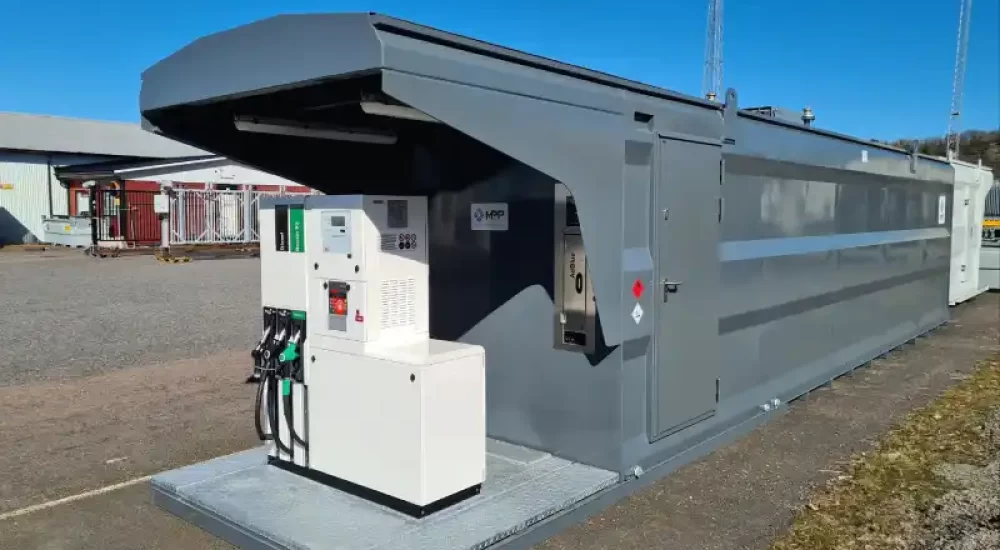
One of the key benefits of having a fuel station at the workplace is improved fuel management at the workplace. An on-site fuel station allows companies to ensure that vehicles and machinery are always fueled and ready, significantly reducing downtime and increasing productivity. On-site diesel storage makes it possible to plan fuel purchases strategically. Companies can buy fuel in larger volumes, benefit from better pricing, reduce transport frequency, and optimize fuel storage without depending on public fuel stations. MPP’s complete fuel station solutions allow businesses to tailor fuel management to their specific operational needs. These turnkey systems support diesel, HVO, RME, biofuels, and petrol products. Multi-compartment solutions make it easy to store different fuel types safely and efficiently, saving both time and resources.

Safety Benefits of a Private Fuel Station for Businesses

Fuel handling requires strict safety standards. The safety benefits of a private fuel station for businesses include reduced spill risk, controlled access, monitoring systems, and compliant fuel storage in accordance with European regulations. Modern fuel stations from MPP are equipped with advanced safety features that ensure secure fuel storage and handling. Multi-compartment designs reduce the risk of fuel mixing and spills, which is particularly important when managing biofuels and chemically sensitive products. Having a fuel station at the workplace also makes it easier to comply with EU environmental and safety regulations, protecting employees, the environment, and the company’s financial interests.

On-Site Fuel Station for Agriculture and Construction

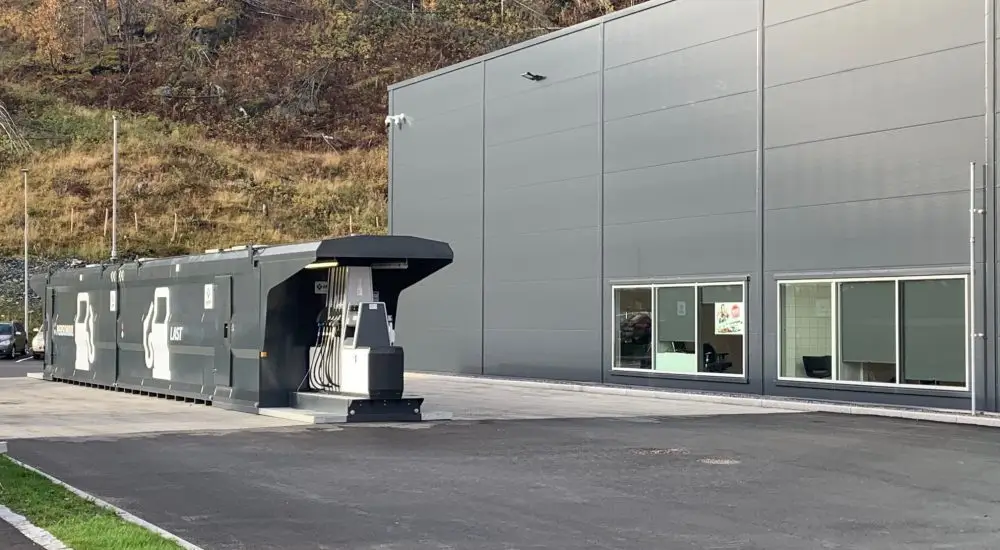
For agriculture and construction companies, immediate access to fuel is critical. An on-site fuel station for agriculture and construction provides flexibility and operational control directly at the workplace, especially during peak seasons or at remote sites. With an internal fuel station, machinery remains operational without delays, helping businesses minimize downtime and maximize productivity. MPP’s TS – Fuel Station 10–60 m³ is an ideal solution for companies looking for flexible and secure on-site diesel storage. For larger operations, MPP also offers fuel stations with capacities up to 120 m³. These solutions allow companies to store higher fuel volumes and combine multiple fuel types within one installation, which is particularly valuable for construction companies managing both conventional and alternative fuels.

Benefits of Having an Internal Fuel Station

The benefits of having an internal fuel station are clear and measurable:
  • Time savings — Employees no longer need to travel to external fuel stations, freeing up time for productive work.
  • Cost efficiency — Bulk fuel purchases reduce unit costs and transportation expenses.
  • Improved control — Fuel usage can be monitored and documented, reducing waste and unauthorized consumption.
  • Environmental benefits — Fewer fuel transports lower emissions and reduce spill risks.
  • Operational flexibility — Storage of multiple fuel types, including diesel, HVO, RME, biofuels, and petrol.
  • Better planning and ROI — Optimized purchasing and storage improve long-term profitability and deliver faster return on investment.
Investing in complete fuel station solutions from MPP delivers both operational and financial benefits while contributing to a safer and more controlled working environment.

Planning and Installation of a Fuel Station at the Workplace

When planning a fuel station at the workplace, companies should consider:
  • Required fuel storage capacity
  • Compliance with EU safety and environmental regulations
  • Logistics for refilling and fuel distribution
MPP provides turnkey solutions ranging from 60 m³ up to 120 m³, with multi-compartment options for different fuel types. The company supports customers throughout the entire process, from quotation and permitting to installation, ensuring a compliant and efficient setup.

Environmental and Regulatory Compliance

An on-site fuel station makes it easier to comply with European environmental and safety regulations. Proper fuel storage reduces the risk of leaks and emissions, while detailed documentation ensures compliance with EU directives and national regulations. Meeting these requirements is not just a legal obligation. It also strengthens a company’s environmental responsibility and enhances its reputation as a safe and sustainable workplace.

FAQ – Fuel Stations at the Workplace

What types of fuel can be stored in an on-site fuel station?

MPP fuel stations support diesel, HVO, RME, biofuels, and petrol products. Multi-compartment systems allow safe separation of different fuel types.

What are the safety benefits of an internal fuel station?

Safety benefits include controlled access, monitoring systems, reduced spill risk, and compliant fuel storage according to EU standards.

What storage sizes are available?

MPP offers fuel stations from 10–60 m³ up to 50–120 m³, allowing solutions to be tailored to fuel demand.

Does MPP assist with permits and installation?

Yes. MPP supports customers from initial quotation through permitting and installation for a smooth and compliant process.

How does an on-site fuel station save time and money?

Reduced travel to public stations, better bulk pricing, and full control over fuel consumption deliver both time and cost savings.

Conclusion

For companies that are looking to optimize fuel management at the workplace, the benefits of having a fuel station at the workplace are clear. Efficient fuel handling, improved safety, reduced downtime, and long-term cost savings make an internal fuel station a valuable investment. For agriculture and construction businesses in particular, an on-site fuel station ensures uninterrupted workflows and better resource control. Investing in a fuel station is not just a practical decision. It is a strategic move toward a safer, more efficient, and fully controlled working environment. For more information about complete fuel station solutions, explore MPP’s fuel stations and the TS – Fuel Station 10–60 m³.

Farmer tank – A Smart Investment for Farming

Introduction: Why a Farmer tank Is Your Best Investment for Farming

Running a modern farm involves more than land and weather. It’s about logistics, cost control, and keeping machinery and operations running without interruption. Modern equipment requires a reliable and constant fuel supply.

Placing a Farmer tank directly on your farm is often the solution that saves both time and money. This investment quickly becomes one of the most profitable long-term decisions, ensuring machines always have fuel when needed and giving farmers full control over consumption and costs.

Many farmers visit MPP’s product pages to explore tank options that match their operations. So, why is a Farmer tank on your property a smart investment for farming? Let’s take a closer look.

What Is a Farmartank?

A Farmer tank is a specially designed container for storing diesel, AdBlue, HVO100, or other fuels safely and efficiently. Unlike regular storage containers, Farmer tanks are built for tough environments in rural and industrial areas. They feature:
  • Thick, durable walls

  • Double-walled construction

  • Theft- and spill-protected pump and fill compartments

  • Weather-resistant materials

  • Encapsulated piping

  • Secure connections to prevent leaks and contamination

Farmer tanks are used on farms, in forestry, and on construction sites—anywhere machinery needs a reliable fuel source.

Many of MPP’s Farmer tanks include pumps, meters, and automatic shut-off for safe and easy refueling. Some tanks are stationary for many years, while others are mobile and move with tractors or harvesters. The main advantage remains the same: fuel when it’s needed, making a Farmer tank a safe and long-term investment.

Why Every Modern Farmer Needs a Farmer tank

Save Hours Every Week

Stopping for fuel can cost hours each week, especially during planting or harvest. With a Farmer tank on-site, these interruptions disappear. Refueling happens exactly when and where it’s needed, freeing time for other critical tasks. A farmer in southern Sweden explained, “During harvest, we no longer lose an hour each day driving to the gas station. Just that alone pays for the tank.” Time savings become even more significant during peak season, especially for larger farms with multiple machines. Some farms report over 100 hours saved during harvest season—equivalent to additional labor without hiring.

Take Control of Fuel Costs

Fuel prices fluctuate daily, making reliance on retail pumps risky. A Farmer tank allows bulk purchases directly from suppliers at lower prices, saving thousands annually. Paired with MPP AB’s fuel management solutions, you can track each liter, monitor consumption per machine, and prevent unnecessary waste. Fuel becomes a managed resource rather than an unpredictable expense.

Avoid Downtime and Delays

Running out of fuel mid-operation is both frustrating and costly. A Farmer tank nearly eliminates this risk. Fuel is always available—day or night, rain or shine. Reliability is especially critical during peak seasons when deliveries may be delayed or stations temporarily empty. Whether it’s tractors, excavators, or forestry machines, a stable fuel supply keeps work moving and staff productive. Some farmers combine their tank with MPP AB service agreements for regular inspections and maintenance, reducing the risk of unexpected downtime or costs.

Freedom to Refuel Anytime

Farming rarely follows office hours. Workdays often extend from sunrise to sunset and even longer during harvest. A Farmer tank provides complete independence—no waiting for deliveries, no checking station hours. Refueling can happen early morning, late evening, or whenever it suits your schedule. This flexibility optimizes workflow, protecting both crops and profitability.

Adaptable for Multiple Fuel Types

Modern farming increasingly incorporates sustainable fuels. Many operations mix traditional diesel with renewable fuels like HVO100 or require AdBlue for emission compliance. High-quality Farmer tanks can handle these needs safely. MPP AB offers tanks configured to store and dispense multiple fuel types without contamination or corrosion. Pairing an AdBlue Tank with the main system ensures both compliance and engine performance. This flexibility allows farms to adopt greener practices without investing in multiple standalone storage units.

Safety, Durability, and Compliance

Owning a Farmer tank carries responsibility, but certified equipment makes compliance simple:

ADR-Certified Transport

Mobile tanks carrying fuel must comply with ADR (European Agreement on the Transport of Dangerous Goods). MPP’s mobile tanks are fully ADR-certified for safe public transport.

Environmental Protection

Fuel storage regulations exist to protect the environment. In Sweden and the EU, tanks above certain capacities require double walls or spill containment to prevent soil and groundwater contamination, especially near water sources.

Regular Inspection and Maintenance

Routine inspections maintain seals, hoses, and valves. A well-maintained tank can last 15–20 years, providing consistent safety and performance — another reason why a Farmer Tank is a smart investment for farming is a long-term advantage.

MPP’s service team offers guidance for inspections and maintenance to extend tank life.

Choosing the Right Farmartank for Your Needs

Every farm has unique fuel requirements. Consider:

  • Fuel consumption: How many liters per month?
  • Mobility: Stationary or mobile tank?
  • Climate and terrain: Extra insulation for low temperatures?
  • Regulations: Local permits or environmental requirements?
Larger farms benefit from stationary tanks with long-term capacity. Smaller farms or field teams often prefer mobile tanks for easy transport and quick refueling. The goal is the same: independence, efficiency, and preparedness.

Frequently Asked Questions

Do I need a permit to install a Farmer tank?

It depends on the location and size. Small mobile tanks usually don’t require permits. Larger stationary tanks may need environmental approval, especially near water sources.

Can I use the same tank for different fuels?

Not in the same compartment. Each fuel type requires certified separation. Many MPP Farmer tanks have divided compartments for this purpose.

What happens if the tank leaks?

Double-walled tanks or collection systems capture spills before they reach the ground. Farmers remain responsible for cleanup and reporting.

How long does a Farmer tank last?

With regular maintenance and protection against rust and UV damage, a quality Farmer tank can last over 20 years.

Why a Farmer tank Is a Smart Investment for Farming

A Farmer tank isn’t a luxury—it’s an operational tool that saves time, protects against fuel price fluctuations, and ensures machines never stop due to lack of fuel. Fewer interruptions, lower long-term costs, greater control, and improved safety make it clear why this investment is essential. On-site fuel supply strengthens resilience against market fluctuations and delivery delays.

Conclusion: Make Your Farm More Efficient with MPP AB

Future-proof your farm with a reliable fuel source. MPP AB offers sustainable, certified, and environmentally friendly solutions for on-site fuel storage, including:

A Farmer tank—a smart investment for farming—is more than a container; it’s the foundation of efficiency, profitability, and sustainability. Contact us through the Contact Page to get started.

Choosing the Right Fuel Station for Your Business

Selecting the right fuel station setup might seem like a small operational detail, but in reality, it’s a critical factor in ensuring smooth day-to-day operations, controlling fuel costs, and staying compliant with UK safety and environmental regulations. Whether you operate a few company vehicles or manage a large fleet, making the right choice can impact your bottom line and reduce unnecessary downtime.

Why Your Fuel Station Choice Matters More Than You Think

Choosing a fuel station is about more than just securing the best price per litre. It affects everything from operational efficiency and employee productivity to health and safety compliance and future-proofing against environmental legislation. A well-planned fuel station setup can significantly reduce operational delays, ensure safety, and support adherence to UK regulations regarding fuel handling and emissions.

1. Understand Your Unique Business Needs

Before reviewing your options, it’s essential to assess the specific requirements of your business.

What types of vehicles and fuel do you use?

Take stock of your fleet: are you operating HGVs, excavators, service vans, or a mix? Your fleet determines the type of fuel you’ll need – diesel, petrol, AdBlue®, or newer alternatives such as HVO (Hydrotreated Vegetable Oil), liquefied natural gas (LNG), or biogas (LBG). HVO, for instance, is gaining popularity in the UK as a cleaner diesel alternative.

How much fuel do you consume?

Understanding your fuel consumption (daily, weekly, or monthly) is crucial. A small construction company with a few vans has different requirements compared to a logistics firm with dozens of HGVs. Your usage levels will influence pump flow rate (smaller setups may manage with 50 litres/min, whereas larger fleets require higher-capacity pumps) and the tank’s storage volume.

Where will the fuel station be located?

Do you need a fixed station at your depot, or a mobile solution that can be deployed to job sites or remote locations? Mobile tanks are ideal for businesses that operate across various sites, while a stationary solution is more efficient for companies with a central hub.

2. Choose the Right Type of Fuel Station

Your business size and fuel consumption patterns will dictate the most suitable solution.

Fixed Fuel Stations

Ideal for large-scale fuel usage, these setups are permanently installed and capable of high-volume distribution. They often feature integrated systems for monitoring and reporting fuel usage – ideal for businesses looking to maintain tight control over operational costs. Note: In the UK, installation may require planning permission and must comply with environmental and safety standards (see Health and Safety Executive guidelines and EA/SEPA regulations).

Mobile and Portable Fuel Stations

These are perfect for temporary or site-based operations such as construction projects or forestry work. Portable tanks are easy to transport, adaptable for different fuels, and can support fuel delivery in locations where infrastructure is limited.

Automated vs. Staffed Stations

  • Automated Stations: Self-service fuel stations are efficient and reduce labour costs. Businesses often favour these setups for their ease of integration with fleet systems.
  • Staffed Stations: While less common in private business settings today, manned stations can still be relevant in environments where safety oversight or manual handling is essential.

Don’t Forget EV Charging Infrastructure

With the UK’s shift toward vehicle electrification – especially in urban fleets – investing in EV charging solutions is becoming increasingly important. Services such as “Charging as a Service (CaaS)” allow you to lease infrastructure with minimal upfront cost, which can be ideal for businesses just starting their transition to electric vehicles. Some businesses even monetise their charging infrastructure by offering public access during off-peak hours.

3. Key Features to Look Out For

Once you’ve determined your preferred fuel station type, it’s time to review the technical features.

Fuel Consumption Monitoring and Reporting

Modern systems should offer real-time monitoring and easy integration with fleet management or accounting software. This helps to spot inefficiencies, track usage trends, and simplify regulatory reporting.

Payment Solutions for Charging Points

If you’re adding EV charging, consider flexible payment options such as contactless, app-based billing, or RFID cards. These streamline user experience and simplify financial tracking.

Multi-Fuel Compatibility

If your fleet includes vehicles running on different fuels – e.g. diesel, HVO, and petrol – your station should be compatible with multiple storage types. Investing in adaptable infrastructure now can reduce future retrofitting costs and support long-term sustainability goals.

4. Safety and Compliance – A Top Priority in the UK

Fuel handling and storage are highly regulated in the UK. Compliance is non-negotiable and helps to protect your staff, the public, and the environment.

Regulations and Permits

Installing a fuel storage facility usually requires permission from your local planning authority and must comply with the Control of Pollution (Oil Storage) Regulations 2001 (for England) or equivalent regional laws (e.g. SEPA in Scotland, NRW in Wales). Storing more than 200 litres of fuel for business use triggers regulatory obligations.

Risk Assessment and Hazard Zoning

Under the Dangerous Substances and Explosive Atmospheres Regulations 2002 (DSEAR), you must carry out a risk assessment and produce documentation for hazardous zones, especially if handling flammable fuels like petrol.

Safety Distances

You must maintain regulated distances between your tanks and buildings, site boundaries, or public roads. These are detailed in guidance from the Environment Agency and fire safety authorities.

Emergency Shut-Off and Fire Protection

Your setup must include clearly marked emergency stop buttons and appropriate fire safety equipment, such as extinguishers or fire points. Conduct regular training and drills to ensure staff know what to do in case of an incident.

5. Costs and Financial Considerations

A fuel station is a long-term investment, so consider both upfront costs and ongoing operational expenses.

Installation vs. Operational Costs

While the initial investment may be significant, savings can accumulate through bulk fuel purchasing, optimised logistics, and reduced downtime. Budget for installation, maintenance, software subscriptions (if applicable), and compliance inspections.

Scalability

Choose a system that can grow with your business. For instance, modular tanks or expandable EV charging networks can help you avoid costly overhauls as your fleet expands or transitions to greener alternatives.

Financing Options

Leasing, hire purchase, and CaaS are becoming increasingly popular for spreading costs and avoiding large capital outlays. Consult suppliers who offer finance or leasing plans specifically tailored to fuel and charging infrastructure.

Bulk Fuel Purchasing

One of the biggest benefits of having your own tank is the ability to purchase fuel in larger quantities, often securing lower per-litre rates. This can lead to significant savings over time and reduce exposure to price fluctuations.

Final Thoughts: Make a Smart, Future-Ready Choice

Choosing the right fuel station is ultimately about aligning your current needs with long-term business goals. By evaluating your fleet type, fuel usage, location needs, compliance obligations, and budget, you can select a solution that increases efficiency, saves money, and positions your business for a more sustainable transport future.
Why You Should Have Your Own AdBlue® Tank for Your Business

Businesses operating diesel vehicles face the same challenge repeatedly: how to manage AdBlue® supply efficiently while keeping costs under control. Without a dedicated on-site storage solution, operations rely on external suppliers, fluctuating prices, and delivery delays. The solution is simple: you should have your own AdBlue® tank. For companies with trucks, buses, or diesel machinery, having an in-house AdBlue® tank brings clear operational and financial advantages. This guide explains why owning your own AdBlue® tank matters, and how a well-planned installation supports both productivity and budget management.

Understanding AdBlue® and the Importance of an On-Site Tank

What AdBlue® Is and How It Works

AdBlue® is a clear solution made of urea and deionized water. It is injected into diesel engines equipped with SCR (Selective Catalytic Reduction) systems to reduce nitrogen oxide emissions. When AdBlue® enters the exhaust, it converts harmful NOx particles into harmless nitrogen and water vapor, helping vehicles meet strict EU emission standards. It’s crucial to understand that AdBlue® is not fuel. Without it, modern diesel engines cannot operate correctly. Owning an AdBlue® tank is not just about environmental responsibility—it’s about keeping vehicles running and avoiding costly downtime.

Why Continuous Availability Matters

If AdBlue® runs out, vehicles enter “limp mode,” reducing power and halting operations until refilled. Having your own tank eliminates reliance on external deliveries, ensuring the fleet can continue operating without interruption. On-site storage is both an operational and financial safeguard. It allows businesses to plan long-term, track inventory, and avoid delays that can disrupt schedules.

Financial Benefits of Having Your Own AdBlue® Tank

Bulk Purchases Reduce Costs

Buying AdBlue® in bulk lowers the price per liter compared to station refills. Owning a tank allows companies to order wholesale, cutting costs directly while reducing the frequency of deliveries, saving both time and money.

Price Flexibility and Budget Control

AdBlue® prices fluctuate due to market conditions, seasons, and regions. With your own tank, you can purchase when prices are lowest rather than paying station prices daily. This ensures better budget planning and cost predictability.

Avoid Extra Charges

Many suppliers charge rush or express fees for urgent deliveries. An on-site tank eliminates these extra costs entirely, stabilizing operational budgets.

Operational Advantages of an On-Site AdBlue® Tank

Independence and Control

Having a tank on-site allows refilling according to your schedule, not the supplier’s. This ensures predictability and avoids downtime. For transport and construction companies, it enables smoother routes and fewer delays.

Fleet Readiness and Efficiency

Vehicles leaving the depot with a full tank save trips to stations, simplifying planning and improving punctuality. Over time, this reduces idle engine hours and enhances fleet efficiency.

Monitoring and Consumption Insights

Modern AdBlue® tanks come with sensors providing real-time level data. Businesses can track usage patterns, detect abnormal consumption, and plan future orders accurately—critical for companies with multiple vehicles or dispersed operations.

Choosing the Right System

Tank Size and Fleet Needs

Tank capacity should align with fleet size, available space, and climate. General guidelines:
Fleet Size Recommended Capacity Example Usage
5–10 vehicles 1,500–2,000 L Small businesses or contractors
10–30 vehicles 3,000–4,000 L Medium logistics fleets
30+ vehicles 6,000–12,000 L Large depots and transport centers
Choosing the right size is essential: too small means frequent orders, too large ties up capital unnecessarily.

Installation and Climate Considerations

Place the tank for easy truck access. AdBlue® freezes at −11 °C, so winter insulation or heating is required. Avoid direct sunlight to prevent urea breakdown over time.

Technology and Integration

Tanks with remote monitoring or automatic refill systems save time and enhance control. For larger fleets, integration with existing fleet-management systems is particularly effective.

MPP Solutions for On-Site AdBlue® Storage

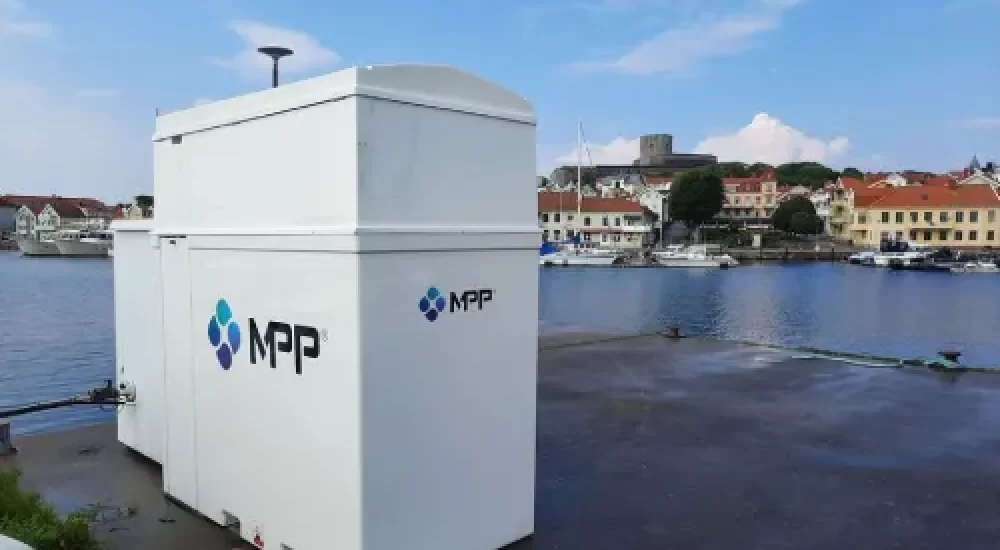
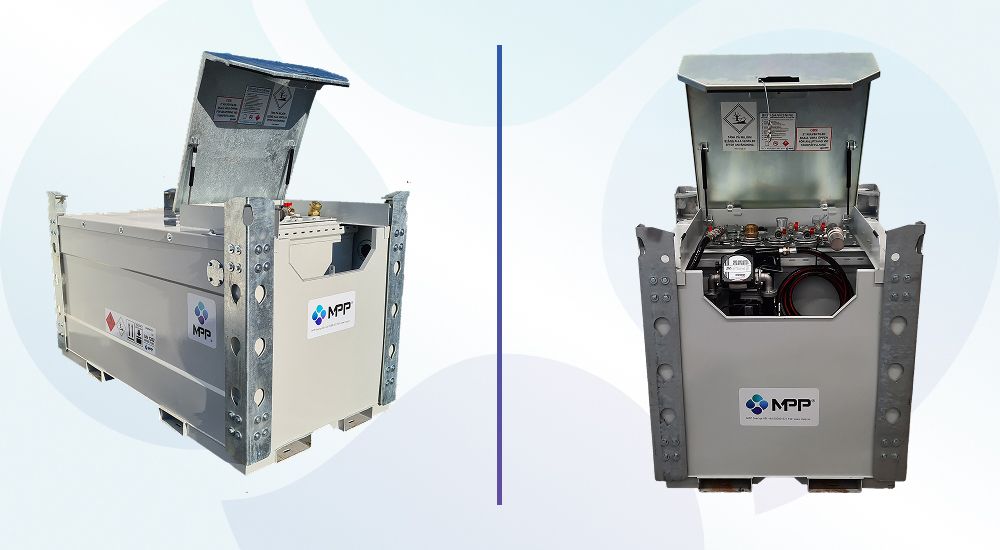
MPP provides a range of AdBlue® tanks for every need, from mobile solutions for small businesses to high-capacity tanks for large depots. All models meet EU safety standards and Swedish environmental regulations.
Model Capacity Suitable For
Retail Tank 1500 L 1,500 L Small fleets, flexible use
Retail Tank 3000 L 3,000 L Medium-sized businesses
Storage Tank 4000 L 4,000 L Established depots
Storage Tank 6000 L 6,000 L Larger logistics companies
Storage Tank XL 10,000 L 10,000 L High-consumption businesses
Storage Tank XL 12,000 L 12,000 L Industrial facilities

Installation, Maintenance, and Support

  • Installation: Certified technicians ensure proper placement, foundation, and compliance with safety regulations.
  • Maintenance: Keep tanks clean, closed, and protected from sunlight. Winter months require heating or insulation. Regular quality checks prevent contamination.
  • Support: MPP offers installation, training, and ongoing service for smooth adoption and reliable operation.

Environmental Benefits

AdBlue® reduces NOx emissions by up to 90% through SCR technology. Continuous availability ensures vehicles comply with EU standards at all times. On-site storage also reduces packaging waste and unnecessary transport, demonstrating environmental responsibility and efficiency.

Cost Analysis

Investing in an AdBlue® tank pays off quickly through:
  • Lower cost per liter via bulk purchase
  • Avoided express delivery fees
  • Planned refills minimizing downtime
  • Reduced operational disruptions
Beyond direct savings, on-site storage creates a more predictable financial environment.

When You Should Consider Owning a Tank

You should have your own AdBlue® tank if you:
  • Operate at least 8 diesel vehicles regularly
  • Work in transport, construction, delivery, or agriculture
  • Have limited access to fuel stations
  • Prioritize cost control and operational reliability
Even small businesses with consistent usage benefit from long-term savings and increased flexibility.

FAQs About AdBlue® Tanks

How much AdBlue® does a fleet use?

Diesel vehicles consume about 3–5% AdBlue® relative to fuel use. A fleet of 20 vehicles may require several thousand liters annually.

Is tank ownership relevant for seasonal operations?

Yes. Companies can buy AdBlue® in the off-season when prices are lower, ensuring supply during peak periods.

What happens if AdBlue® is contaminated?

Contaminated AdBlue® can damage the SCR system. Proper storage in a sealed, clean, and temperature-controlled tank prevents issues entirely.

Conclusion

Owning your own AdBlue® tank is more than a recommendation—it’s a strategic investment. You gain control over costs, eliminate dependence on suppliers, and ensure uninterrupted fleet operation. Whether you need a compact retail tank or a high-capacity depot system, MPP offers solutions tailored to Swedish conditions. Financially, the investment often pays for itself within two years, while operational benefits start immediately. For most fleets, on-site AdBlue® storage is no longer a
“maybe” but a “must-have.”
Owning your own AdBlue® tank is the logical step for companies seeking cost efficiency, reliability, and environmental responsibility.

Choose the Right Fuel Station for Fuel Management

Efficient fuel management is more than just filling up tanks – it’s a key part of operational success for businesses in construction, agriculture, transport, and industry. A poorly chosen fuel station can disrupt workflows, increase costs, and create safety or environmental risks. The right fuel station, on the other hand, gives businesses control over consumption, ensures machines run reliably, and supports compliance with regulations. At MPP, we help companies select fuel stations that fit their specific needs. From large stationary tanks for high-volume operations to flexible mobile tanks for dispersed fleets, our solutions are designed to save time, reduce costs, and improve operational efficiency. For a medium-sized construction company, investing in the right fuel station often pays off within 6–12 months through reduced fuel waste and lower machine downtime.

Why Choosing the Right Fuel Station Matters

Fuel is often one of the largest operational expenses. Mismanagement can cause delays, increase costs due to external refueling, create safety hazards, and increase administrative burdens from untracked consumption. A correctly chosen fuel station addresses these challenges directly. For example, a construction company operating 50 machines across multiple sites can save hundreds of hours annually by strategically placing mobile fuel stations onsite instead of relying on public refueling points. Choosing the right station is therefore an investment decision that affects the entire business.

Key Factors When Choosing a Fuel Station

Type of Fuel and Consumption Volume

The first step is to identify the type of fuel your business uses and how much is consumed. Each fuel type has specific storage and dispensing requirements:
  • Diesel: Common in construction and agriculture; requires careful storage to prevent contamination and gelling in cold temperatures.
  • HVO (Hydrotreated Vegetable Oil): A renewable diesel alternative often used for sustainability goals; needs compatible pumps and digital monitoring systems.
  • AdBlue: Used in modern diesel engines to reduce NOx emissions; must be stored in corrosion-resistant tanks at controlled temperatures. Requires frost-free storage and protection from sunlight to maintain quality.
  • Petrol: More volatile and flammable than diesel or HVO, meaning storage and handling are subject to stricter regulations. Classified as Class 1 flammable liquid, it carries a high explosion risk if vapors accumulate.
  • Biofuels (RME, biodiesel, ethanol blends, etc.): Climate-friendly alternatives increasingly used instead of fossil diesel. Treated as flammable liquids and regulated similarly to diesel and petrol.
High-consumption operations benefit from stationary fuel stations with automated monitoring. Smaller businesses or sites spread across multiple locations may benefit more from mobile fuel stations. Seasonal and regional factors also matter – in cold climates, winterized diesel tanks are necessary.

Stationary vs. Mobile Fuel Stations

Stationary solutions are ideal for farms, workshops, or machine fleets in fixed locations. They provide consistent fuel dispensing, integrate with digital monitoring systems, and offer long-term durability. Stationary units are particularly beneficial for high-volume, repeated consumption, minimizing manual tracking and downtime. Mobile solutions are essential for companies with machines spread across large or remote areas, such as construction, forestry, or agriculture. Mobile units reduce the need for vehicles to travel to central refueling points, saving time, fuel, and labor. Case Example: A large agricultural company installed mobile units across five fields. This reduced downtime by approximately 120 hours per month and significantly cut fuel transportation costs. Explore our mobile solutions here.

Tank Material

The choice of tank material affects safety, mobility, maintenance, and longevity:

Steel Tanks:

  • The safest choice for professional fuel storage.
  • Durable in harsh climates, compliant with LBE and MSBFS 2018:3, approved for permanent storage with overfill protection and bunding.
  • Requires scheduled inspections but provides maximum reliability and long service life.

Plastic Tanks:

  • Often chosen where budget outweighs longevity and safety.
  • Suitable for mobile use and short-term storage but rarely meets requirements for permanent storage, water protection zones, or certified environmental operations.
  • Vulnerable to UV damage and limited in the types of fuels they can safely store.
Read our full guide on steel vs. plastic tanks for detailed maintenance requirements.

Regulatory Compliance

In Sweden, fuel storage and transport are regulated under LBE (Flammable and Explosive Goods Act) and MSBFS 2018:3. ADR applies only to fuel transport in mobile tanks, not stationary storage. Stationary fuel stations over 1 m³ must be reported to the municipality and meet MSBFS 2018:3 standards, including overfill protection, bunding, and safety distances. Non-compliance can lead to fines, environmental cleanup costs, and operational disruptions. ADR-compliant solutions are mandatory for safe transport of hazardous liquids. Secondary containment usually needs to hold at least 100% of the tank’s volume, often 110–120% depending on local regulations and Naturvårdsverket guidelines. In water protection areas, stricter rules apply for tank placement, containment, and inspection intervals.

Digital Monitoring

Modern stations should integrate digital systems for real-time consumption tracking. Benefits include:
  • Real-time monitoring: Prevents overuse and identifies irregularities.
  • Automated alerts: Flags leaks or unauthorized access.
  • RFID and automated pumps: Provide precise data and reduce manual errors.
  • Cost analysis: Identifies savings opportunities and aids budgeting.
Companies implementing digital monitoring can reduce fuel waste by 10–15% through better control, faster error detection, and minimized spillage. Learn more about digital fuel monitoring.

Safety and Operational Control

Common risks include fuel theft and unauthorized access. Security measures include overfill protection, locks, restricted access, and digital monitoring. These features protect assets and provide operational insights for planning.

Common Mistakes

  • Underestimating consumption → frequent refills and downtime
  • Poor placement → increases risk of spills and theft
  • Lack of security → greater theft risk
  • No overfill protection → risk of environmental damage
  • Ignoring digital monitoring → missed cost-saving opportunities
Partnering with experienced suppliers like MPP ensures proper installation and compliance.

Checklist for Choosing a Fuel Station

  • Type of fuel and storage requirements
  • Daily or weekly consumption
  • Need for mobility or fixed installation
  • Tank material suitability
  • Compliance with legal and environmental standards
  • Integration with digital monitoring systems
  • Operator training and service agreements

FAQs

Q: Why is the right fuel station important?

Ensures operational efficiency, cost control, legal compliance, and reduced risks.

Q: Stationary or mobile?

Stationary suits fixed locations; mobile is for dispersed or remote operations.

Q: Steel or plastic tanks?

Steel is safest, long-lasting, and regulation-compliant. Plastic is suitable for temporary transport and short-term storage.

Q: What environmental rules apply?

Secondary containment and inspections per Environmental Code; ADR governs transport of hazardous liquids.

Q: How can digital monitoring save costs?

Real-time tracking identifies waste, prevents theft, and provides accurate data for budgeting.

Q: Does MPP provide guidance?

Yes. MPP offers tailored solutions, consultation, and digital integration.

Conclusion

Steel tanks remain the most durable, safe, and regulation-compliant option for permanent fuel storage, meeting LBE, MSBFS 2018:3, and Environmental Code standards. Plastic tanks are often chosen for budget-conscious operations, lighter use, and temporary transport under ADR-S rules. Choosing the right fuel station is more than price or tank size. A well-planned process ensures operational efficiency, compliance, and reduced long-term costs. By assessing fuel types, selecting suitable tanks and materials, and partnering with MPP, companies get a tailored solution that improves efficiency, durability, and profitability. Contact MPP today to find the right fuel station for your business and build a long-term, safe fuel management strategy.

Guide to Safe Diesel Storage

Diesel is an indispensable energy source in many areas – from agriculture and industry to backup power for buildings and critical infrastructure. However, despite its usefulness, handling and storing diesel also involves significant risks. It’s not just about fire hazards, but also environmental impact, health risks, and legal obligations. To minimize these risks and comply with all legal requirements, it is essential that diesel is stored in a safe and proper manner. In this guide from MPP, we cover everything you need to know to ensure safe and legal diesel storage.

Legal Requirements and Permits for Diesel Storage

In Sweden, the handling and storage of flammable liquids, including diesel, is regulated by the Swedish Civil Contingencies Agency (MSB), the Swedish Work Environment Authority, and municipal environmental and fire services. Private individuals are allowed to store up to 10,000 liters of diesel without a special permit, as long as storage meets safety requirements. For businesses, farms, or other operations storing more than this amount, a permit is required from the municipality or fire department. This also applies if the diesel is divided across multiple tanks whose combined volume exceeds 10,000 liters. It’s also important to note that documentation requirements increase with the amount of fuel – businesses often need to present inspection logs, control reports, and fuel flow data during official reviews. For more information on legal requirements and permits, please visit MPP’s page on diesel storage regulations.

Storage Location and Environmental Considerations

Diesel must always be stored in a location designed to reduce the risk of fire, spills, and environmental pollution. This means the storage area must be ventilated, dry, and protected from direct sunlight. Indoor storage is subject to particularly strict rules. Only small quantities – typically no more than 10 liters per container – may be stored indoors in spaces with good ventilation and fire extinguishing equipment available. Larger quantities must be stored outdoors, where tanks must be placed on bunded surfaces at least 10 meters away from buildings and other flammable materials. The ground beneath the tanks should be impermeable, stable, and protected against leakage, and tanks must not be located near waterways or storm drains.

Equipment and Approved Containers

All diesel containers must be approved according to applicable standards. There are various options depending on storage needs. Portable plastic or metal containers are suitable for smaller amounts and temporary use, while stationary diesel tanks – often made of steel or high-density polyethylene (HDPE) – are the best choice for long-term storage. These tanks must be labeled with applicable hazard symbols and equipped with secondary containment such as bunding or built-in spill protection. Tanks must also be protected against overfilling, and any hoses and fittings must be secure and regularly checked. To prevent unauthorized access, all diesel tanks should be lockable. For examples of approved diesel tanks, see MPP’s diesel tank products.

Maintenance, Inspection, and Fuel Shelf Life

Diesel is an organic fuel that degrades over time. Under poor storage conditions – such as high humidity, temperature fluctuations, and inadequate ventilation – the fuel can deteriorate within just a few months. Common problems include water accumulation, algae growth, and oxidation, which can clog filters, damage machinery, and even cause operational shutdowns. Therefore, regular maintenance of both the tank and the diesel is crucial. Tanks should be inspected at least once a year for signs of rust, leaks, and sludge buildup. As a preventive measure, additives such as fuel stabilizers or biocides can be used to prevent microbial growth and extend diesel’s shelf life to 18 months or more under the right conditions. It’s also wise to keep the tank as full as possible to minimize air space and thus condensation.

Safety Measures and Fire Risk

Since diesel is flammable, it is important to follow all fire safety regulations. This means that type B fire extinguishers should be readily available where diesel is stored, and everyone handling the fuel should be trained on how to respond in the event of a fire or spill. If a spill occurs, you must be able to quickly stop its spread and absorb the liquid using absorbent materials. The area should be equipped with a spill collection system, especially when larger volumes of diesel are handled. It is also beneficial to have an emergency response plan that all employees are familiar with so that incidents are handled quickly and in a coordinated manner. Safety distances to buildings, vehicles, and other fuel sources must be maintained according to regulations.

Documentation and Traceability

An important aspect of safe diesel storage is proper documentation. For businesses, this means keeping a logbook of inspections, refills, repairs, and incidents. This documentation should be readily accessible during inspections by environmental authorities or fire services. Tank certificates, maintenance records, and any permits must also be kept up to date. By maintaining systematic documentation, a transparent and responsible storage system is established, facilitating inspections and minimizing the risk of fines or operational disruptions.

MPP’s Solutions for Safe Diesel Storage

At MPP, you’ll find a wide range of products specially designed for safe diesel storage. We offer MSB-approved diesel tanks in various sizes and materials, with integrated spill and fire protection. Our solutions include both mobile and stationary options, as well as accessories such as pumps, locks, level indicators, and overfill protection. In addition to products, we also offer advice on permit handling, installation, maintenance planning, and staff training. By choosing MPP’s expertise, you gain not only the right equipment but also the assurance that every aspect of your diesel storage complies with Swedish regulations. ~ Learn more about our diesel tanks

Conclusion

Safe diesel storage is not just about legal compliance – it’s about responsibility, risk reduction, and long-term sustainability. Whether you’re storing a few hundred liters or several thousand, it’s crucial to understand the full picture: from selecting the right equipment to ongoing maintenance and documentation. By following the guidelines in this guide and working with an expert partner like MPP, you ensure that your operations are safe, compliant, and efficient. Have questions or need help finding the right solution? Contact our team at MPP for advice and a quote.

How to Clean a Diesel Tank? – A Step-by-Step Guide

It is important to clean your diesel tank to ensure your engine runs efficiently and to prevent issues caused by contaminants in the fuel system. Here is a guide to help you do the job correctly.

1. Prepare

Prepare all the materials you will need before starting the cleaning process:
  • Protective clothing and gloves
  • Safety goggles and a respiratory mask
  • Pump, filter cart, or siphon to empty the tank
  • Container or collection vessel to store the old fuel
  • Cleaning agent suitable for diesel tanks
  • Long-handled brush
  • Cloth and water

2. Empty the Tank

The first step is to empty the tank of diesel fuel. If there’s a large amount of fuel left in the tank, it’s advantageous to use a pump, filter cart, or to empty the tank using the siphon principle. Then collect the remaining dirty fuel in a container for proper disposal and handle it as hazardous waste. A smart idea is to use a filter cart to remove particles and water from the fuel while transferring it to another tank. NOTE: Leftover diesel and dirt from the tank must be handled as hazardous waste. It is important to deliver this to an approved waste disposal facility.

3. Inspect the Tank

After the tank is emptied, it can be inspected to identify areas with rust, dirt, or other particles. If you find minor rust spots, you can use a wire brush to remove the rust. If the tank is heavily rusted or anomalies are identified, contact your tank supplier to find out what the best solution might be.

4. Apply Cleaning Agent

Use a bactericidal cleaning agent specifically designed for diesel tanks. Follow the instructions on the package for the correct mixture and application. Apply the cleaner in the tank and use the brush to scrub the inside thoroughly. Focus especially on areas where dirt and other particles tend to accumulate.

5. Rinse the Tank

After scrubbing the tank, rinse it thoroughly with water to remove all the dirt and cleaning agent. Again, handle all remaining waste properly. Repeat the rinsing until the tank is completely clean.

6. Dry the Tank

Use dry cloths to wipe the inside of the tank. The tank must be completely dry before refilling with new fuel. Residual water can cause problems with the engine’s fuel system, so caution is needed during this step.

7. Refill the Tank with Fuel

After the tank is clean and dry, you can refill it with new diesel fuel or pump it back from the other container. If you want to avoid future contamination, you can place a water-absorbing pouch that helps keep the tank moisture-free and protected from rust. For larger stationary tanks, it is common to use a Torkel™ filter to keep water out by quickly filtering moisture as the tank
“breathes.”

8. Regular Maintenance

To avoid extensive cleaning in the future, it is important to maintain your diesel tank regularly. Inspect and clean the tank as needed to ensure the fuel is in top condition. You can extract a fuel sample from the lowest point in the tank to check if water has accumulated there. Larger tanks often have a sloped bottom to allow water to collect.

Frequently Asked Questions

How do you remove algae in a diesel tank?

Use a fuel additive that kills and prevents algae growth to remove algae from the diesel tank. Then thoroughly clean the tank according to the step-by-step guide.

How do you clean a fuel tank?

Clean the fuel tank by emptying it, applying a suitable cleaning agent, scrubbing the inside, rinsing with clean water, and drying the tank completely before refilling.

What do you use to clean a diesel tank?

Clean the diesel tank with a specially formulated cleaning agent for diesel tanks, a long brush to reach the inside, and water to rinse off dirt and other particles.

How do you purify diesel?

Diesel can be purified by filtering it with a fuel filter that removes water and particles, by adding a fuel additive that helps improve fuel quality, or by using a Torkel™ filter to keep water out of larger stationary diesel tanks and cisterns.

Conclusion

Cleaning a diesel tank takes time and effort, but it is an investment in your engine’s lifespan and performance. Follow these steps to ensure your diesel tank remains free from contaminants and algae so your fuel system runs efficiently. Don’t forget to handle leftover diesel and dirt as hazardous waste, or hire a tank service company for help with cleaning, inspection, and servicing of diesel tanks.

Tanks for Industrial Companies

For companies in manufacturing industries, depots, and critical environments, having secure and protected access to fuel is of utmost importance. At MPP, we are fully aware of this, and with our experience and expertise, we can assist companies in developing sustainable diesel tanks, fuel tanks, and fueling facilities.

What is a tank?

A tank used to store flammable liquids, fuels, or chemicals is called a cistern. Cisterns come in various sizes, with the largest capable of holding up to 120 cubic meters of liquid, while the smaller ones typically hold a few cubic meters. When establishing new cisterns or fueling stations, there are primarily three permits and approvals that must be obtained: a building permit, an environmental notification, and a permit for flammable goods. This is something we at MPP can assist you with.

What certificates and approvals do MPP’s diesel tanks meet?

Our diesel tanks are manufactured according to the MSBFS 2018:3 standard, which means they meet the criteria for 12-year inspection intervals (set by the Swedish Civil Contingencies Agency; regulations and general advice on pipelines for diesel, among others). Our tanks also meet the requirements and are constructed according to the NFS 2021:10 standard (the Swedish Environmental Protection Agency’s regulations for the storage of diesel, among other substances, within Swedish water protection areas). With these certifications, all our tanks are environmentally approved.

Our wide range of tanks covers all needs

To meet every conceivable need, we offer a solid and extensive range of tanks. We support you throughout the entire process, from handling building permits and other approvals to delivering your new tank. We have extensive experience in developing diesel tanks with high durability, making it easy to store and provide your fuel supply wherever and whenever it’s needed.